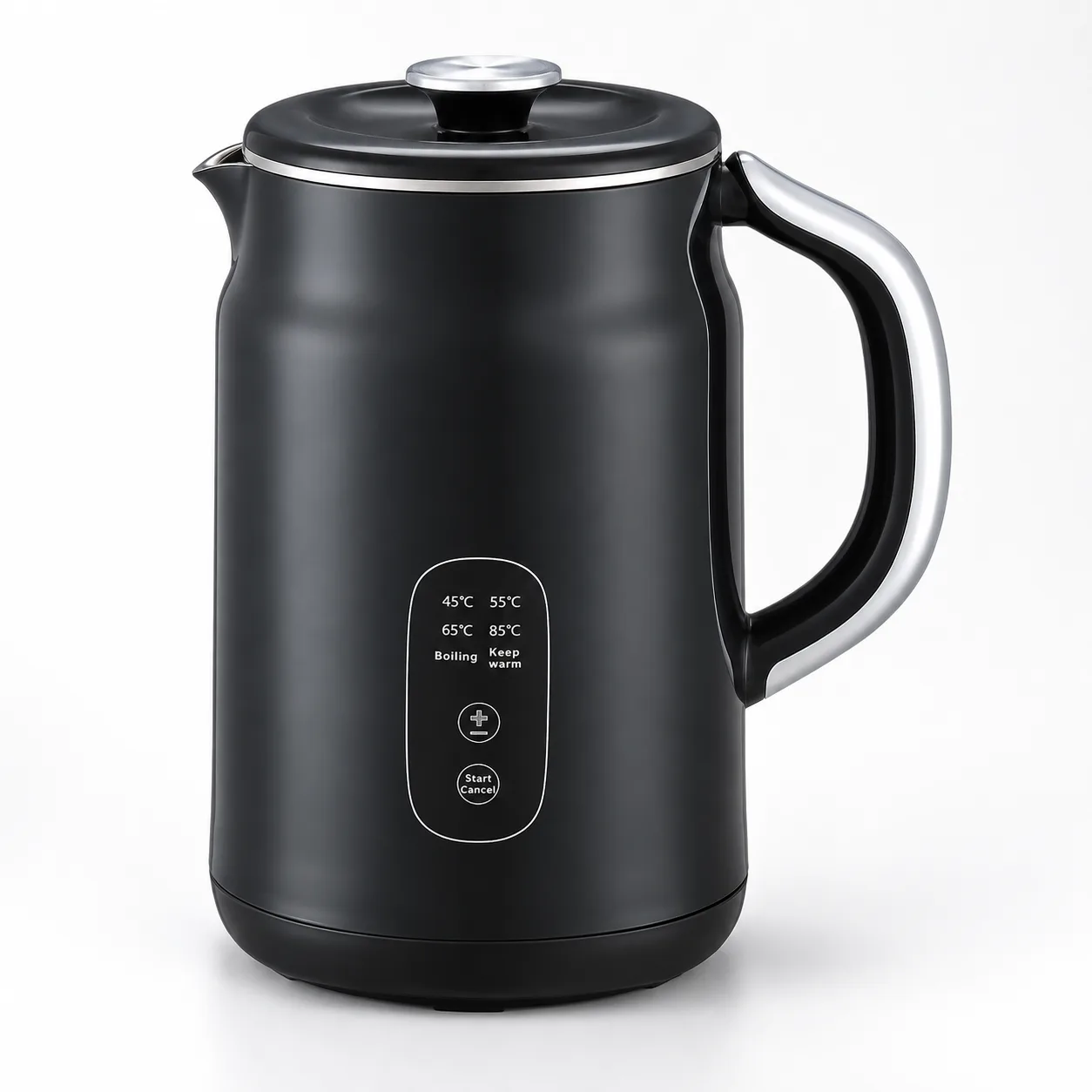
FTK01
Large-Capacity Preset-Temperature Electric Kettle
- Product format
- Electric kettle
- Control interface
- Front preset-temperature control interface
- Spout form
- Short-spout design
Electric kettle OEM/ODM manufacturer · Wholesale B2B sourcing
Source electric kettles for your brand or distribution range. Compare standard, temperature-control and gooseneck models, review Futian's kettle manufacturing evidence, and discuss OEM/ODM requirements for your target market.
For appliance brands, importers, distributors and wholesale buying teams—not one-off consumer purchases.
Since 2003
Manufacturing experience
20,000 m²
Company factory reference
30,000 units / month
Company capacity reference
OEM / ODM
B2B manufacturing focus
These are company-level reference figures, not per-model commitments. Actual capacity depends on the selected platform, product mix, configuration, production scheduling and project requirements.
Manufacturing evidence
Real Futian factory and production-context images provide general manufacturing context. The exact process and checkpoints depend on the selected product and confirmed configuration.
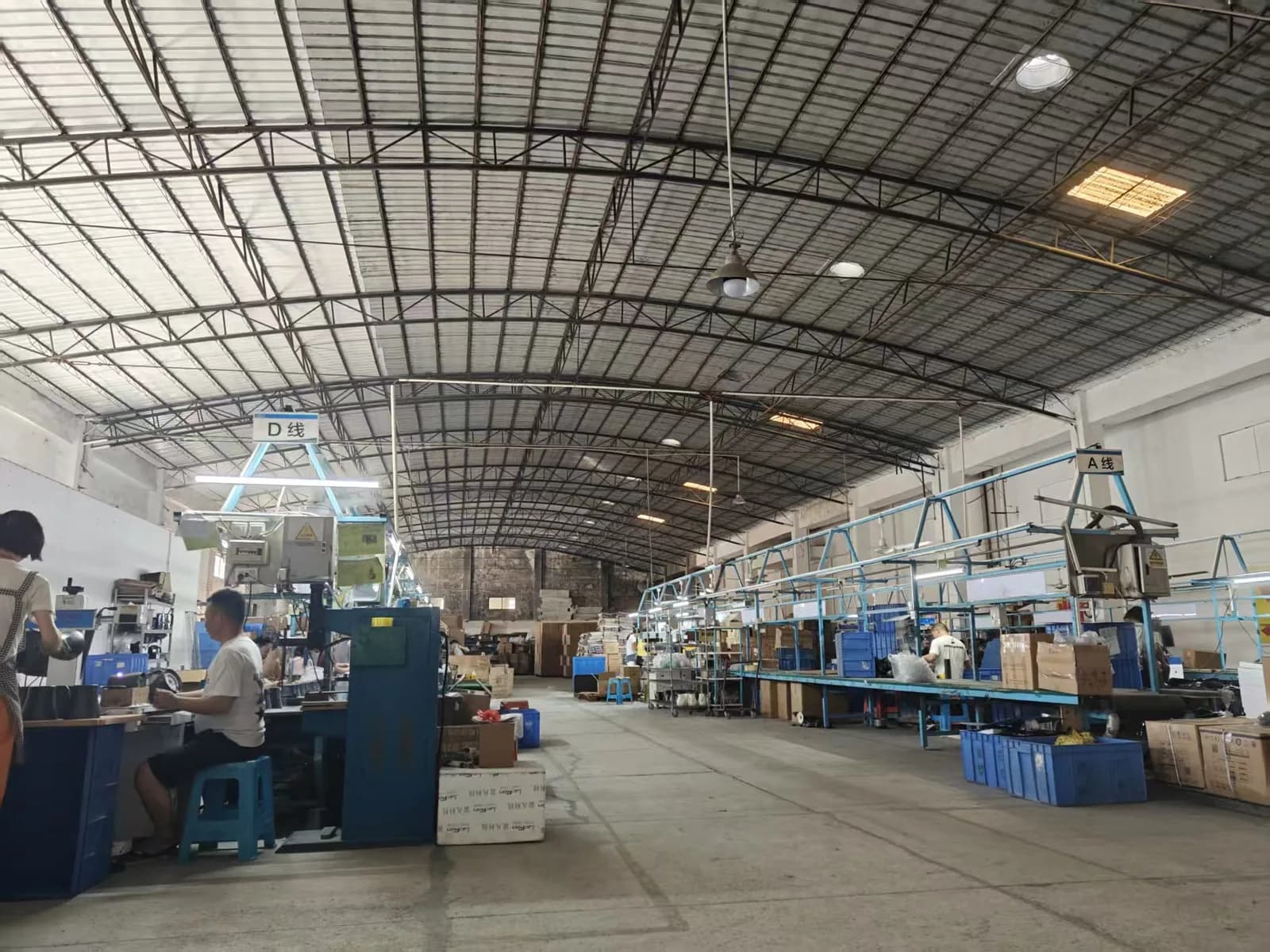
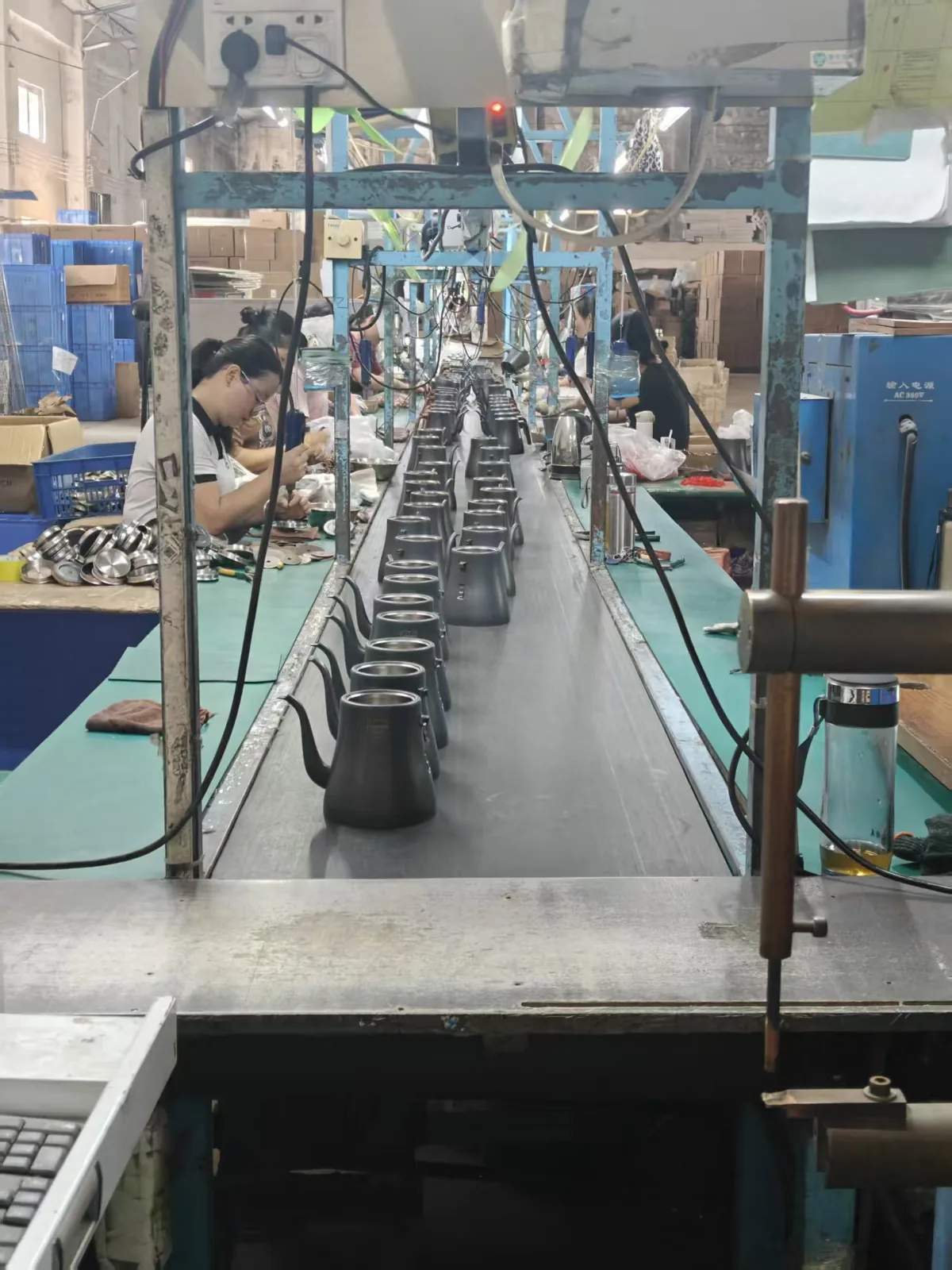
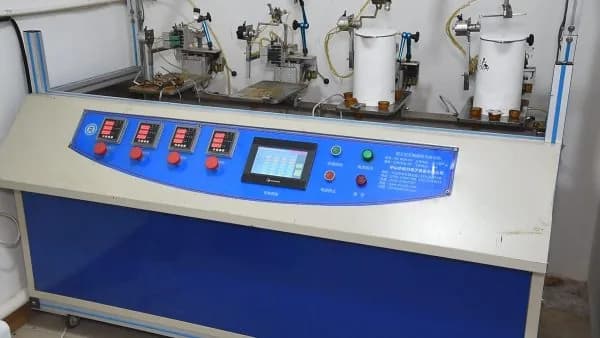
Factory images and company-level reference figures provide supplier-evaluation context. Product-specific production scope, capacity, quality requirements and documentation are confirmed against the selected project.
Current product platforms
Compare published models for your range, then request a quotation for the model that fits your brief.
Confirm electrical configuration and available options for your destination market before ordering.
FTK01
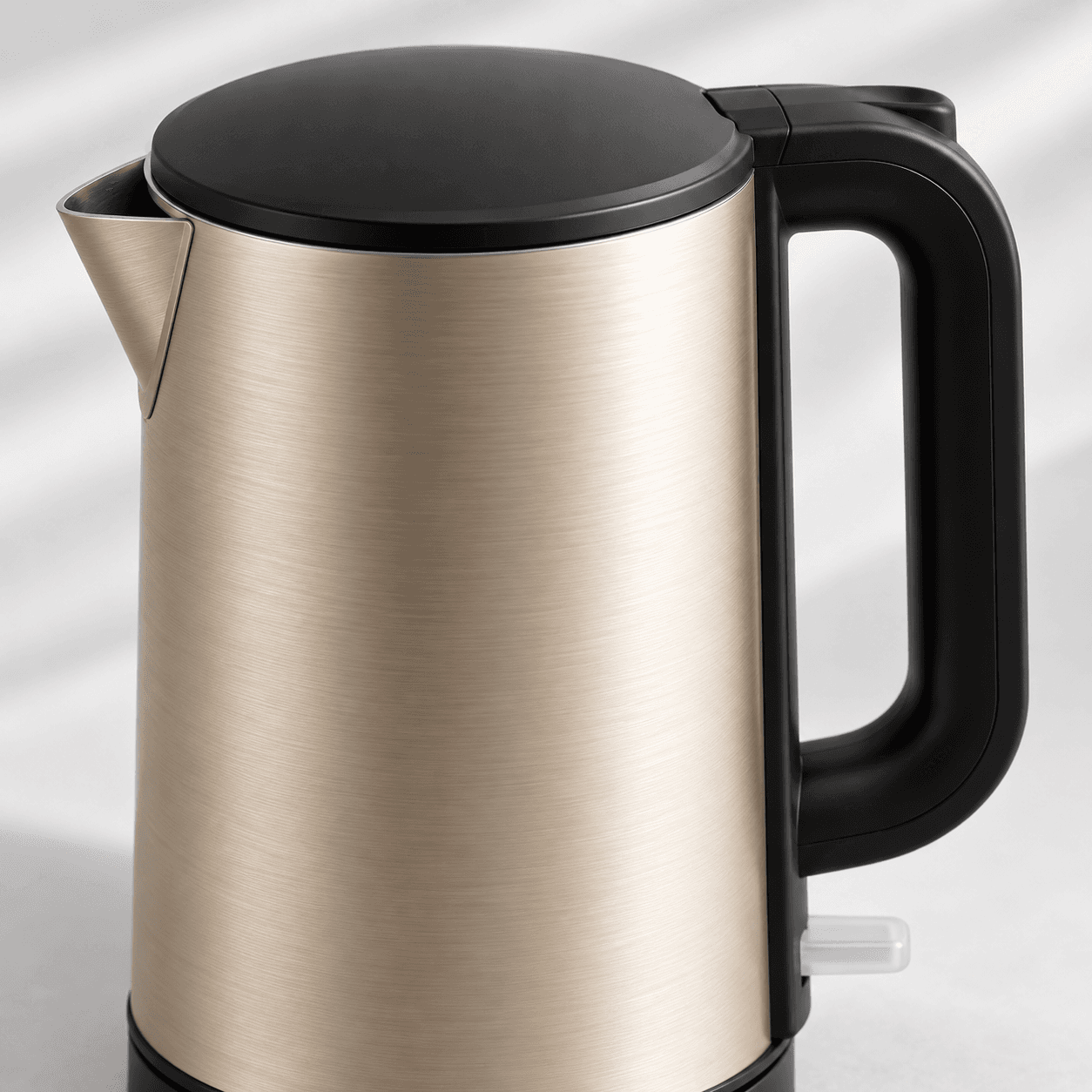
J16
FT2501
Reference specifications
Platform comparison
Use the published product records to compare the current platform directions. Final configuration, commercial terms and target-market requirements are confirmed against the selected project.
B2B sourcing paths
Start with the sourcing route that best matches your project, then review the published product platforms and project-specific requirements.
Start from a published kettle platform and review the required product configuration.
Review kettle platforms →Compare current electric kettle directions for wholesale and distribution programmes.
Browse electric kettle models →Review branding, packaging and market-specific project requirements for an own-brand range.
Review private-label options →Evaluate current kettle platforms for coffee-equipment and temperature-control product ranges.
Review gooseneck OEM options →Buyer project brief
The more clearly the project is framed, the easier it is to identify the right platform and the information that still needs confirmation.
Standard, temperature-control or gooseneck kettle intent and the intended application.
Destination countries, channel and electrical configuration requirements.
Logo, colour, packaging, manuals and other project-specific presentation needs.
Expected quantity, sample intent and launch timing if known.
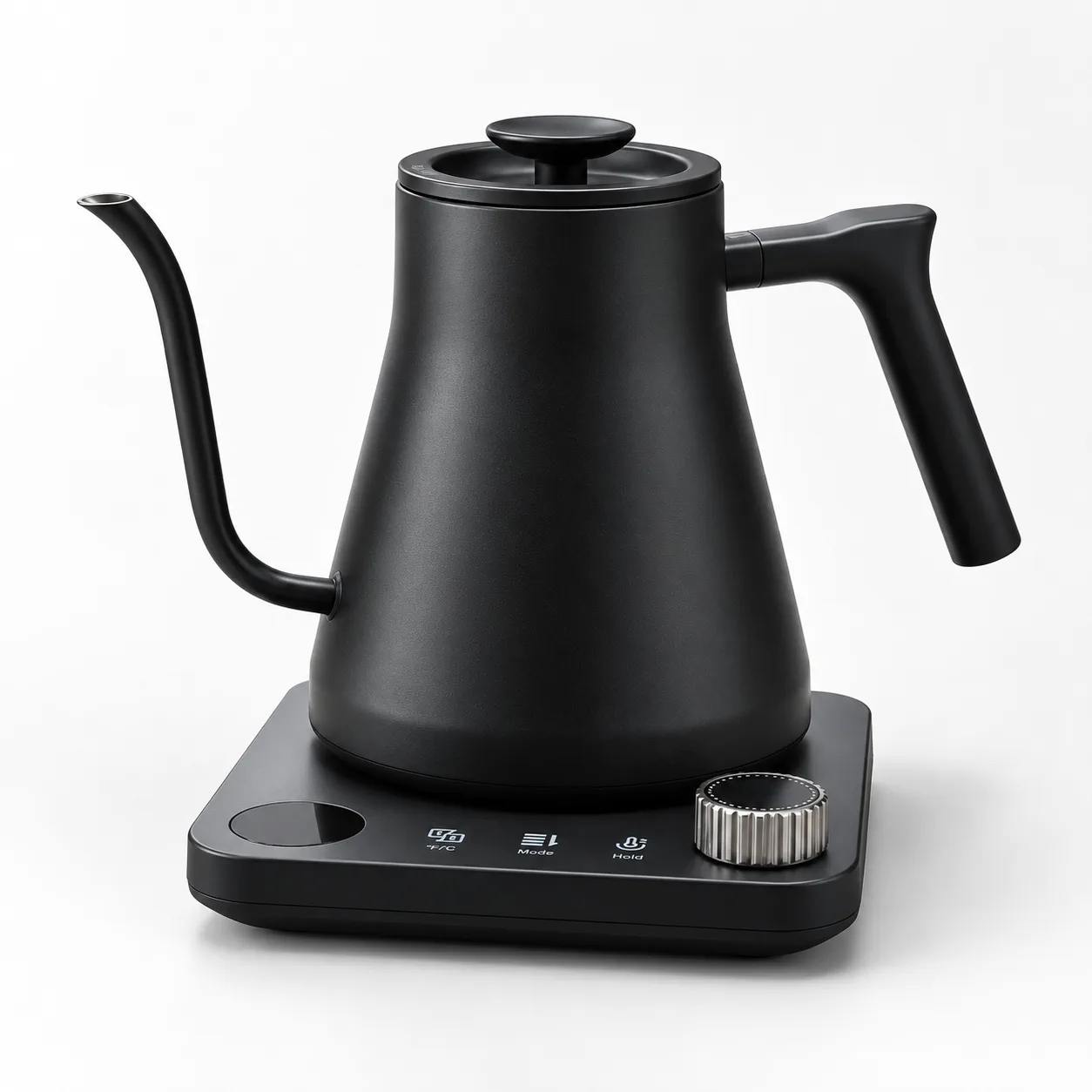
Compare temperature-control kettles and gooseneck kettles. For branding and packaging preparation, see the Private Label kettle project or the OEM and ODM guide.
OEM / ODM scope
A published platform is the starting point. Available branding, finish, packaging and electrical options are confirmed against the selected product and target market.
Start with a published model and confirm the product direction that fits the project.
Logo, colour and finish direction are reviewed for the selected product and programme.
Retail packaging, manuals and shipping presentation are discussed as project requirements.
Plug, voltage and other electrical requirements are reviewed for the destination market.
Final product and documentation requirements are confirmed before sampling or production planning.
Buyer fit
Use the route to evaluate product fit before asking the team to confirm project-specific details.
Evaluate a current electric kettle platform for a new or expanded range.
Review a gooseneck or temperature-control direction for a brewing programme.
Compare category options before discussing the target market and commercial route.
Prepare a B2B sourcing brief without consumer purchase messaging.
Quality and market requirements
Separate current product records and visible factory context from the model-specific proof, samples and commercial terms your buying team must confirm.
Compare the capacities, materials and electrical specifications in the current product records. Confirm missing fields, market configuration and any requested changes for the exact model rather than assuming a category-wide specification.
Buyer question: Which model and specification version will the quotation cover?
Compare kettle modelsFactory, assembly and testing-equipment photographs provide visible context, not proof of an inspection result or a particular certification. Ask which quality checkpoints and documents apply to the selected configuration and destination market.
Buyer question: Which model-specific records and test documents can be reviewed?
Review published supplier evidenceState estimated order volume, sample purpose, branding and packaging needs. Confirm any quotation-specific MOQ, the sample review route, and what begins and ends a factory lead-time estimate before making a purchase decision.
Buyer question: What must be approved before production timing is confirmed?
Prepare MOQ and sampling questionsProject process
01
Tell us the category direction, target market and commercial context.
02
Compare the published platform records and identify open requirements.
03
Discuss the appropriate project evaluation route where applicable.
04
Move forward with the confirmed product and market requirements.
FAQ
The current published range includes standard electric, temperature-control and gooseneck kettle platforms. Review the product records for the available references.
Branding and packaging can be reviewed against the selected platform and the requirements of the project.
MOQ is project-specific and is confirmed against the selected product, configuration and commercial requirements.
Electrical configuration is reviewed according to the target market and selected product. It is confirmed as part of the project brief.
Sample availability is confirmed by model and project. Include the product direction and target market in the RFQ.
Electrical configuration and compliance requirements are reviewed according to the target market and project. Documentation is confirmed for the selected product.
Start a project conversation
Share your kettle direction, target market, expected quantity and key requirements. We will review product fit and confirm the appropriate sample or quotation path.
A short project outline is enough to start. Share your company, destination market, approximate quantity and kettle direction. We can clarify specifications before a quotation.
Prefer to review the full category first? Browse Electric Kettles. Open the full OEM / ODM enquiry route.
We use necessary technologies to operate this site. With your permission, we use analytics to improve our website and advertising storage to retain campaign information in this tab for RFQ attribution. See our Privacy Policy and cookie information.